Radon Testing Process
Professional testing, clear results, and straightforward guidance from start to finish.
[01]
Schedule & Prepare
We determine the appropriate testing method and location and provide closed-house instructions when required.
[02]
Professional Testing
Your CRM or passive test device is placed according to applicable measurement standards. Testing conditions and device placement are documented.
[03]
Results & Report
After the test is complete, you receive a professional report showing the measured radon concentration, along with a clear explanation of your results.
[04]
Understand Your Options
We explain what your results mean and discuss appropriate next steps. If radon reduction is recommended, Make Right can provide a separate mitigation evaluation and estimate.
CRM Radon Testing
Detailed electronic monitoring that records radon levels throughout the test period and provides a comprehensive report.
Best for: Real estate transactions and homeowners wanting detailed results.
- Short Term 48 hours to 90 days
- Certified lab analysis
- Long Term 91 + day test
Charcoal Radon Test
Professional passive radon testing with laboratory analysis to determine the average radon concentration during the test period.
Best for: Homeowners looking for a simple, cost-effective professional test.
- Standard 48-hour testing
- Escrow-ready documents
- Mitigation consulting
Not Sure Which Test?
We'll help determine the appropriate testing method based on your home, situation, and reason for testing.
Best for: First-time testing or anyone unsure which option they need.
- Volume pricing plans
- Direct billing options
- Compliance certification
Understanding Your Radon Results
Radon levels are measured in picocuries per liter of air (pCi/L). Understanding your results can help you make informed decisions about your home and determine appropriate next steps.
Below 2.0 pCi/L
Generally a low result. Periodic retesting is still recommended because radon levels can change over time.
2.0–3.9 pCi/L
Consider taking steps to reduce radon levels. We can explain your options and help determine whether additional testing or mitigation is appropriate.
4.0 pCi/L or Higher
Radon reduction is recommended. Make Right can evaluate your home and provide a customized mitigation estimate.
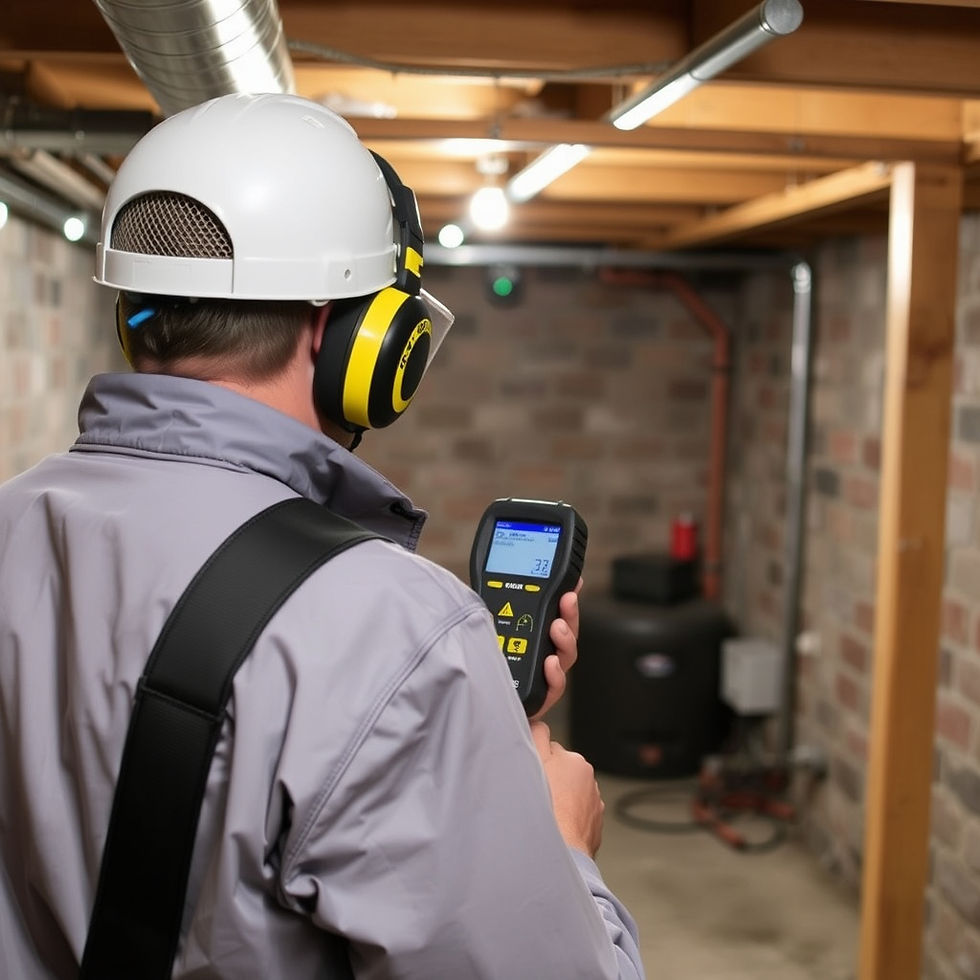
Radon Testing for Real Estate
Clear, professional radon testing for buyers, sellers, and real estate professionals.
- Real estate transactions move quickly. Make Right provides professional radon measurements with clear documentation and straightforward results, while following nationally recognized radon measurement standards and Colorado requirements.
• Professional short-term radon testing
• CRM and passive testing options
• Clear, easy-to-understand test reports
• Testing for buyers, sellers & real estate professionals
• Clear results with no high-pressure sales
Need to schedule a test for a property? Contact Make Right and we'll help determine the appropriate testing method and timing.
1. How long does a radon test take?
A standard professional short-term radon test requires a minimum of 48 hours for measurement, plus setup and retrieval time.
2. What are closed-house conditions?
Closed-house conditions mean keeping all windows and exterior doors closed (except for normal entry/exit) for 12 hours before and during the entire test.
3. CRM vs. charcoal: which should I choose?
Continuous Radon Monitors (CRM) provide hourly data and tamper detection, perfect for real estate transactions. Charcoal tests are cost-effective for general home awareness.
4. Can I stay in my home during testing?
Yes, you can stay in your home. Just be sure to maintain closed-house conditions and avoid moving or touching the testing device.
5. What happens if my result is 4.0 pCi/L or higher?
The EPA recommends fixing your home if levels are 4.0 pCi/L or higher. We can provide a separate evaluation for mitigation options to reduce these levels.
6. How often should I retest my home?
Radon levels can change over time. Periodic retesting is recommended, especially after major renovations, structural changes, HVAC changes, or installation of a radon mitigation system.
Ready to Test Your Home?
Get clear answers about the radon levels in your home.